

How to repair your home exterior
Dallas weather brings scorching 100°F+ summers, heavy storm seasons, and sudden humidity shifts that test your exterior paint and siding. Discover the right way to protect your home substrate, recognize early signs of damage, and determine when a fix is safe for DIY or requires our professional carpentry and coating expertise.
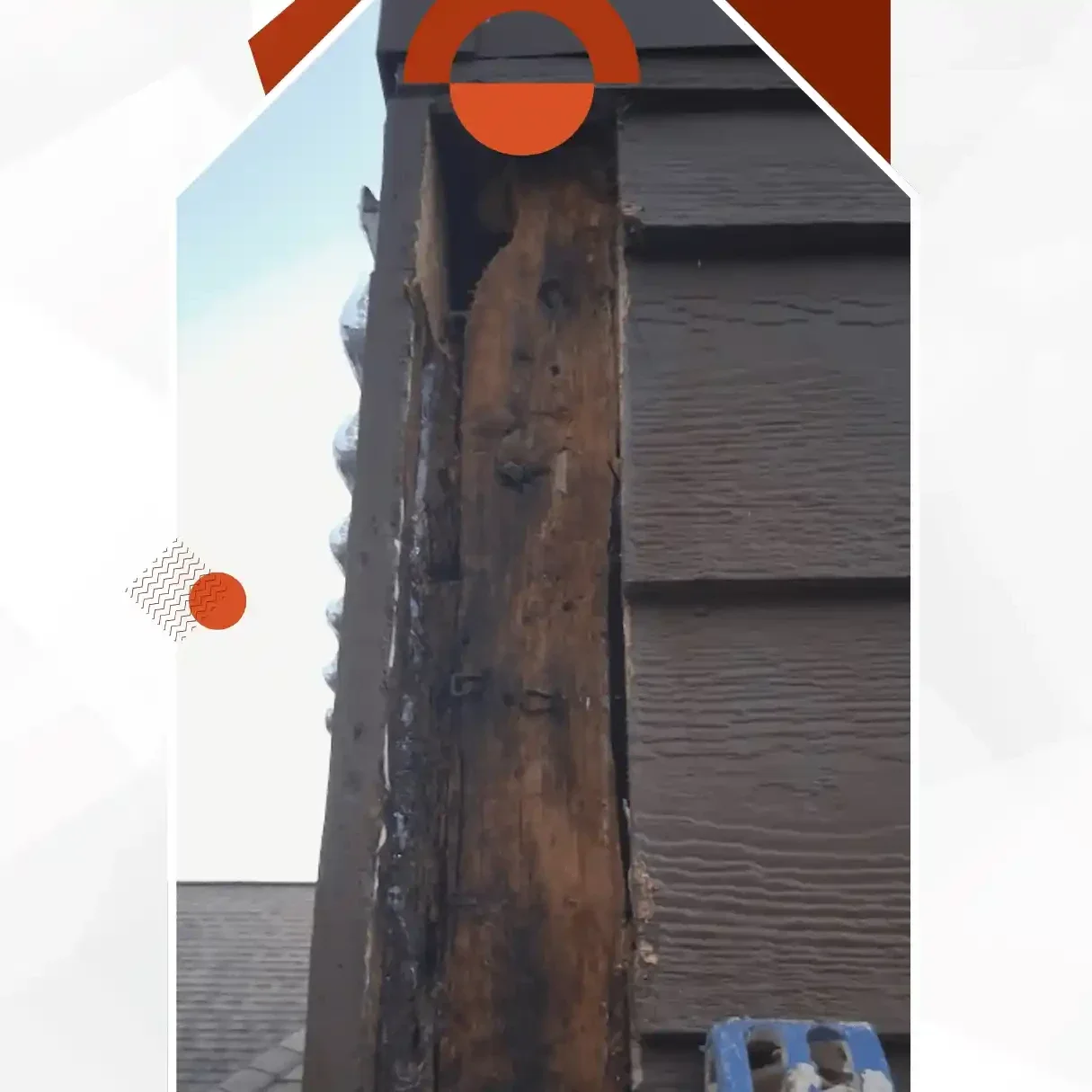
The hidden risk of painting over rot
The single most frequent mistake during exterior DIY repairs is applying fresh paint or caulking directly over damp materials or decaying wood. Doing so traps active moisture beneath the paint film. When Texas heat strikes, that moisture expands rapidly, causing bubbling, blistering, and accelerated rot behind your siding. Proper repairs always require removing the compromised wood, addressing water sources, and thoroughly sealing the substrate before applying topcoats.
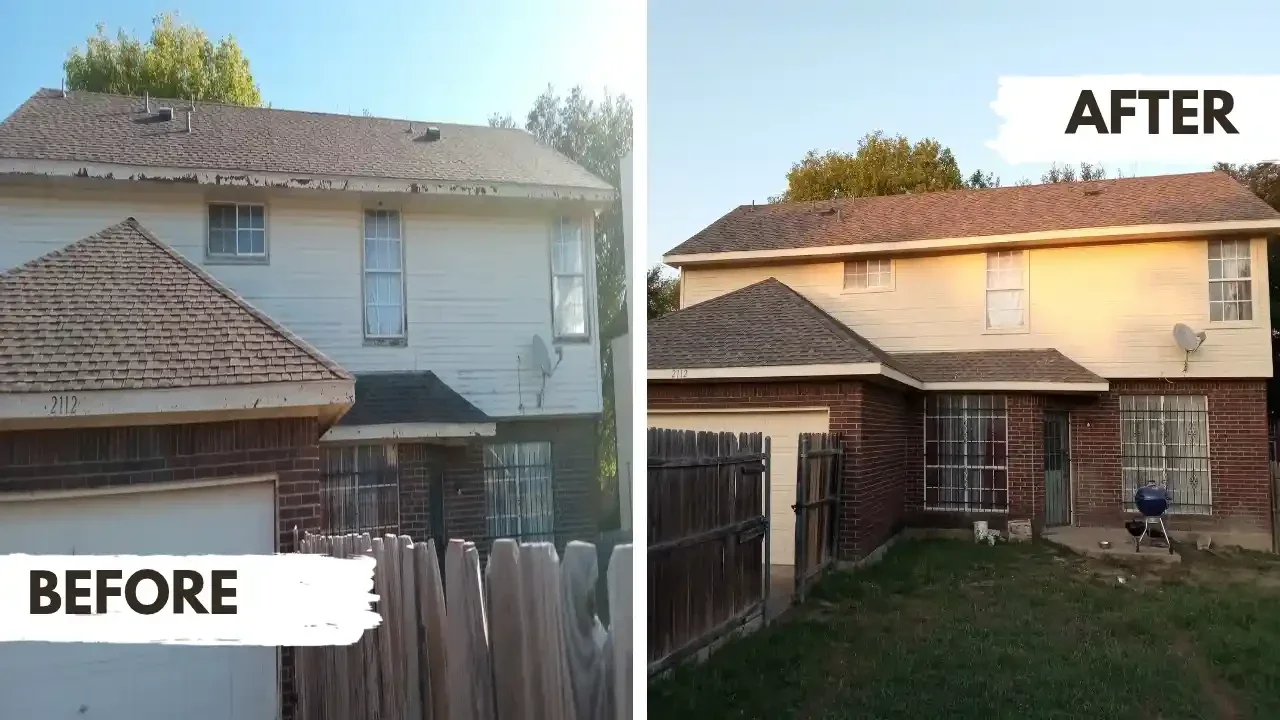
Recognizing Dallas weather damage
Intense UV radiation often degrades paint binder resins on south- and west-facing walls, resulting in chalky residues and peeling paint flakes. Meanwhile, misaligned gutters and seasonal downpours leave water sitting against fascia boards, window sills, and lower siding panels. Spotting discolored patches, paint failure, or cracked caulk early prevents structural rot from creeping into interior drywall and insulation.
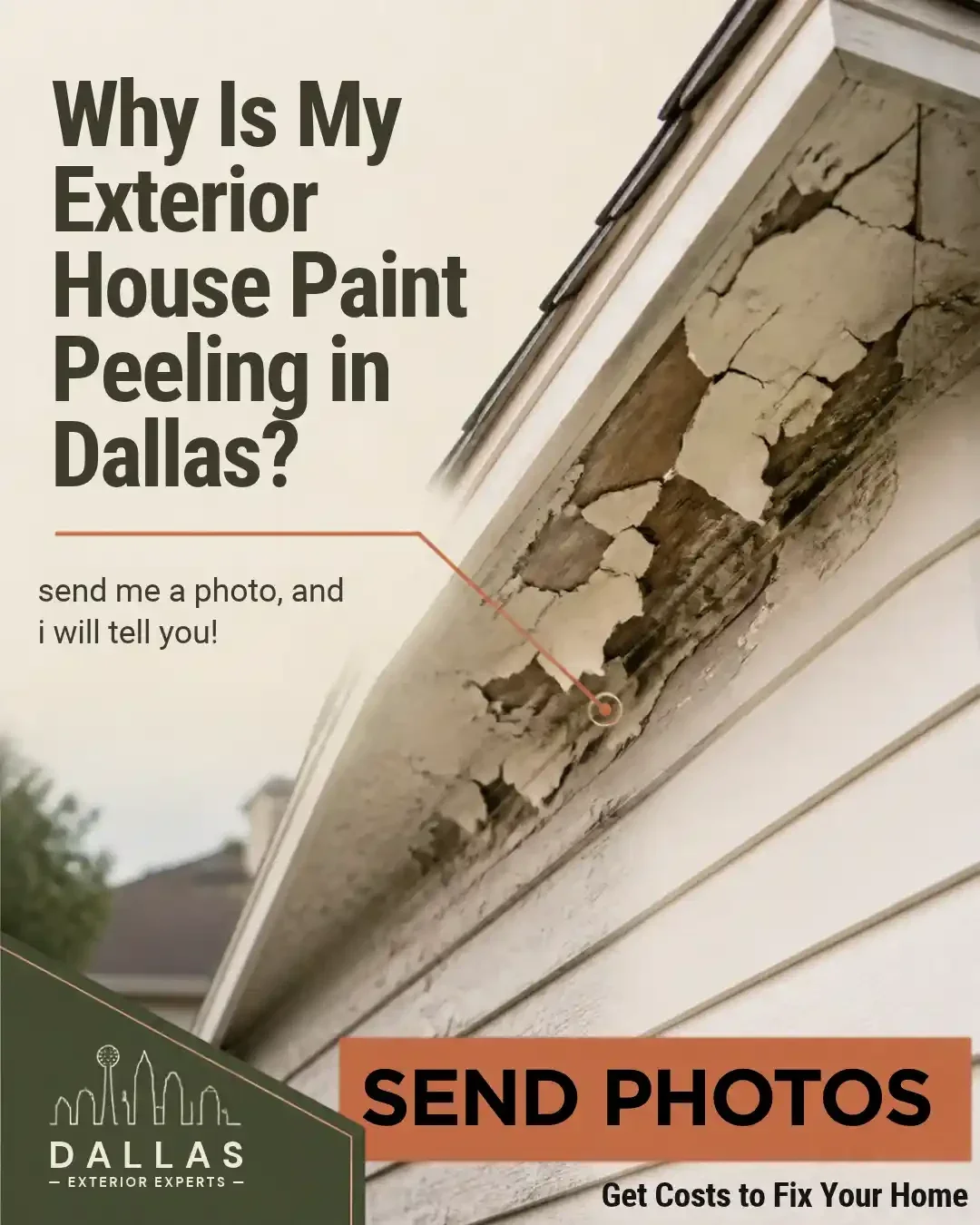
Professional home repair vs DIY painting
Homeowners can safely tackle surface cleaning with mild detergent and garden hoses, as well as filling isolated hairline nail holes.
However, if wood feels soft or spongy against a screwdriver, entire sheets of paint are flaking, or repairs sit on high second-story gables, safety and longevity require specialist care.
House Painting Triforce delivers precision siding carpentry, rot repair, and weather-ready coatings across Dallas.
Send a photo to get started